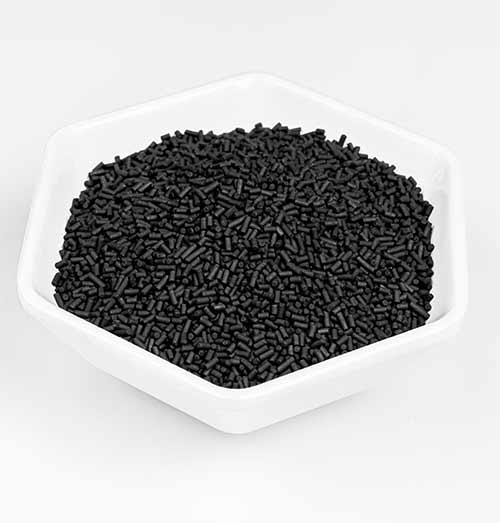
Пять типов отравления CMS: симптомы и способы лечения.
Jun 05, 2026
Углеродное молекулярное сито (УМС) является основным расходным материалом генераторов азота PSA. При отравлении оно приводит к снижению выхода азота, недостаточной чистоте газа и повышению соотношения воздуха к азоту, что значительно сокращает срок службы. Пять распространенных причин отравления: пропитывание водой, загрязнение маслом, коррозия кислыми газами, высокотемпературная деградация и пылевое коксование. Большинство операторов замечают только измельчение УМС, игнорируя отравление как основную причину. В этой статье анализируются симптомы, причины и решения проблем в полевых условиях для каждой из этих неисправностей. Вид отравления Симптомы Причины Решение Отравление при затоплении Нижний N₂ чистота и выход продукции; слеживание CMS; более высокое соотношение воздуха и азота. Плохая сушка на воздухе; скопление конденсата или обратный поток влаги. Длительная продувка без загрузки; сушка горячим воздухом; ремонт системы предварительной сушки. Отравление нефтью Черный и липкий CMS; постоянное снижение производительности; невозможно получить высокую чистоту 99,99%. Утечка компрессорного масла; неисправность предварительной масляной фильтрации. Световое загрязнение: высокотемпературный азот₂ Регенерация. Сильное загрязнение: полная замена системы управления климатом и фильтров. Коррозионное отравление кислотными газами Хрупкий CMS; больше порошка; большее падение давления в башне; низкое содержание азота.₂ восстановление Сероводород и кислые газы в неочищенном воздухе разрушают структуру углерода. Замените корродированный CMS; добавьте предварительный фильтр с активированным углем. Отравление в результате высокотемпературного разложения Хрупкий CMS; сбой в производстве высокочистого азота; снижение производительности. Перегретый входящий воздух (>45)℃плохое рассеивание тепла Регулируйте температуру на входе в диапазоне 20–35°C.℃; заменить поврежденный из-за перегрева CMS Отравление коксовой пылью Большая разница давлений в колонне; закупорка пор; снижение выхода газа. Коксование пыли и органических остатков внутри микропор. Провести проверку и регенерацию системы управления климатом (CMS); установить пылевой фильтр на впуске. Вкратце, правильная предварительная обработка поступающего воздуха от воды, масла, кислоты и пыли является ключом к предотвращению отравления углеродным молекулярным ситом и поддержанию стабильной эффективности адсорбции в течение длительного времени. Эффективная предварительная обработка помогает поддерживать постоянную чистоту азота и номинальную производительность газа, значительно продлевая срок службы углеродного молекулярного сита.



 ПОДДЕРЖИВАЕМАЯ СЕТЬ